

You’ve got your first batch of unhappy clients, and you can’t always please everyone, so how do you deal with complaints? No matter if you specialize in HVAC, plumbing, electrical work, or other commercial services, customer satisfaction is essential for your business’s growth.
By the end of this guide, you’ll be able to handle disputes successfully with care and professionalism. Let’s dive in!
How to Talk to an Upset Customer
The best way to handle a customer complaint is to respond quickly, take ownership, and communicate clearly throughout the resolution process.
Follow this framework:
- Acknowledge the issue within 1–2 hours.
- Listen carefully and validate the concern.
- Identify the root cause of the problem.
- Communicate a clear plan and timeline.
- Resolve the issue thoroughly (not just quickly).
- Follow up to confirm satisfaction.
- Adjust internal processes to prevent repeat issues.
Handled properly, customer complaints can protect your reputation and strengthen client relationships, increasing long-term retention.
When a facility manager calls and is upset, the first 60 seconds of the conversation are vital for repairing this relationship and addressing their concerns. In commercial service work, most contractors lose customers the moment they get defensive.
Typically, your goal is to de-escalate the tension and make the customer feel heard. So, begin by taking a deep breath and listening to their concerns. A client telling you that their rooftop unit is still blowing warm air or that the new panel installation is causing intermittent outages needs to know you understand the urgency of their situation (even if it might be user error!).
When addressing their concerns, you want to lead with a sincere apology, especially if they seem emotionally charged. Then, validate their frustration without overdoing it. A building manager whose tenants are complaining about no heat or a burst pipe doesn’t want to hear excuses; they want to know you’re on it. Present a measured tone that addresses their concerns while ensuring expectations are reasonable.
Finally, cut to the chase for the solution or how they’d like to see the situation resolved, and avoid getting defensive. What separates top commercial HVAC, plumbing, and electrical companies from the rest is their willingness to own the problem. Here are some things you should avoid saying:
- "The unit was working fine when we left the site."
- "That’s not something our technician would have caused."
- "You’ll need to call the manufacturer on that one."
How Quickly Should You Respond to a Complaint in The Field Service Industry?
When you receive a complaint, act swiftly and with care. For commercial services, the standard should be to acknowledge a complaint within 1 to 2 hours. The research shows that customers are highly satisfied with shorter-than-expected wait times.
For example, you could say, "I’m pulling up the work order right now and getting our lead technician on this. I will call you back by 3:00 PM today with a plan." Even when the fix itself takes longer, a quick initial reply reassures the client that you take their concerns seriously.
Recommended Resource: ServiceBox’s Sage 50 Integration Takes the Headache out of Invoicing and Billing for Field Service Businesses
Step-by-Step Complaint Resolution For HVAC, Plumbing, & Electrical
If you’re looking to implement a complaint-resolution process within your company, here is what you’ll need to document for your technicians to follow.
Acknowledge the Complaint
Even if you don’t have the complete solution finalized. In commercial settings, downtime presents real headaches for your clients, such as their office building experiencing a failing HVAC system during the summer heat. A quick acknowledgment lets the customer know they are a priority. Then, set clear expectations for when you’ll follow up with them.
With any complaint, the person providing this feedback needs to be heard. Call it out for what it is and simply acknowledge it. If a building manager says the furnace still isn’t heating after your team’s service call, this reply can be as simple as, “I completely understand, you shouldn’t be dealing with this again, and I want to get it sorted out right away.”
Carefully listening helps you understand the exact problem and assures the client that you are taking their concerns seriously. If you’re conducting this over the phone or via email, it’s important to be explicit and tell the client that you’re documenting their feedback and will take immediate action to resolve the problem.
Identify the Problem
Once the complaint is heard and the customer has had a chance to feel that there are next steps on the company’s end to help remedy the issue, it’s time to get to the root of the problem.
Sometimes, the problem is as simple as a miscommunication, such as a property manager misunderstanding which units were included in a service agreement. Other times, the problem may be with your employees, the consistency of service delivery, or an operational issue that could spill over to other clients. Maybe your crew left a mess in a tenant-occupied space, or an electrician skipped a required inspection step on a commercial panel upgrade.
Spend time identifying the problem, documenting it, and developing an action plan to address it.
Inform Your Team
Now that the problem has been identified, there is a potential plan of action and remedy; you need to inform your team right away. By keeping everyone in the loop, you help develop trust with your team, showcase transparency, and ultimately resolve the issue much more quickly.
If you don’t have a logging process in place, use a field service CRM to log specific job notes regarding their complaint and the remedy. This ensures that if a technician makes a return visit to the property, they know exactly what happened previously and can provide extra support.
Resolve the Problem
Sometimes, an issue can be handled easily on the same day. Other times, it may take a few days to find the right resolution, especially in commercial work, where parts need to be ordered to meet specific specifications. Your customers are generally willing to wait for a high-quality fix rather than a rushed one, as long as you keep them informed.
Here are some excellent ways to resolve customer complaints:
Redoing the work
This is often the best solution when the initial job didn't meet the customer's expectations. If an HVAC install is still cycling improperly or a plumbing repair is leaking again, sending a senior technician out to diagnose and fix the specific issue at no extra charge shows your commitment to quality and protects that service contract in the long term.
Partial refund or discount
For smaller issues, like a technician who showed up late to a scheduled maintenance visit, offering partial credit on the next invoice or a discount on a future service can be a great way to make things right.
Prioritizing a follow-up visit
Sometimes, a speedy response is everything! If a building has no heat in January or an electrical system poses safety concerns, bumping them to the front of the repair schedule or scheduling a follow-up visit demonstrates that you take their concerns seriously and are committed to resolving them quickly. This can make a huge difference in whether they renew that service agreement.
Finally, always remember to apologize. Apologizing to the customer is an essential part of world-class customer service. Your company should always apologize for the inconvenience.
Record Resolution Feedback
After resolving the problem, you will want to seek the customer's feedback. A simple follow-up call or survey can tell you whether the facility manager or building owner was satisfied with the outcome. Feedback is an important metric to collect because it helps you improve your company's policies and identify patterns across your jobs.
When to Escalate a Complaint For Your Commercial Service Business
One of the best things you can do for your employees is empower them, which is why you shouldn’t handle every complaint as the owner or main operator. When complaints come in from commercial clients, give your team clear guidelines on how to repair relations and fully address the complaint.
For instance, a technician can easily handle a minor billing miscommunication or apologize for arriving late to a scheduled maintenance visit. However, if it’s something like water damage to a tenant’s space from a plumbing repair gone wrong, a failed commercial electrical installation that poses safety risks, or an HVAC system failure that forces a business to close temporarily, it should be escalated to management immediately.
You can even prepare scripts for your office staff to support these complaint handoffs without making the customer feel dismissed. The office staff can say something like, "I want to make sure this gets resolved perfectly for you. I am going to have our Service Manager review the details and call you directly within the hour."
The key is to empower your staff by helping them understand how best to remedy complaints as they arise, and by providing ongoing training to refine the process.
What You Want to Avoid
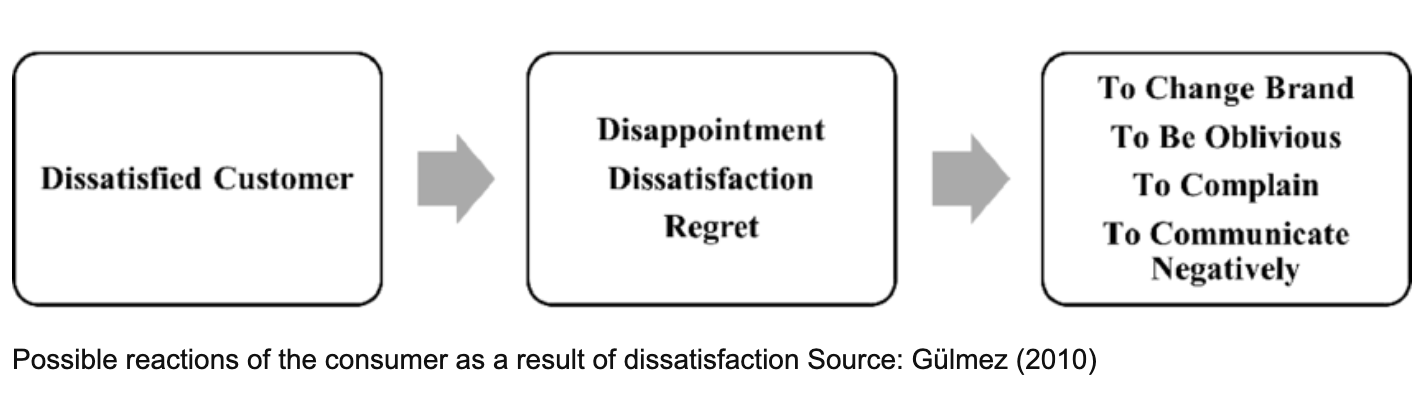
Escalation is an important part of the process. The last thing you want is for customer dissatisfaction to carry over, which can lead to negative responses, higher customer churn, and other operational headaches, as research shows…
How to Handle Negative Online Reviews as a Commercial Field Service Business
While everything in this guide is designed to help you avoid negative online reviews, you cannot control every variable that may arise from a complaint. In the service space, a single negative Google review from a well-known property management company can ripple through your pipeline. Therefore, it’s best to look for an opportunity to demonstrate that you’ve worked toward a fair conclusion and to showcase your customer service.
Always respond professionally and promptly. Thank the reviewer for their feedback, apologize for their less-than-perfect experience, and offer to take the conversation offline.
You might write something like:
"Hi [Name], we are so sorry to hear about your experience. We pride ourselves on delivering reliable service, and we want to make this right. Please call our office at [Phone Number] so we can resolve this for you!
Or, if you’ve already responded but they don’t like the remedy, you can also say something like:
Thank you for taking the time to share your feedback, and we sincerely apologize that your experience didn't meet the standard you deserve. We're glad we had the opportunity to connect with you and attempt to make things right, but we recognize that resolving an issue doesn't erase the frustration of it happening in the first place.
We've taken your comments seriously and are using them to improve so this doesn't happen to others. We truly value you as a customer and hope you'll give us another chance to show you the experience we can deliver. Please don't hesitate to reach out to us directly at [contact info]. We'd love to earn back your trust.
The positive impact on your business
While the review can negatively impact your Google star rating, prospective clients like property managers and facility directors who may read this review will see that you’ve still taken the time to respond and try to remedy the complaint. This ability to show that your team can handle criticism gracefully can increase their trust in your business.
Recommended Resource: Building a Successful FSM Franchise: Development Strategies
How to Prevent Complaints Before They Happen
Obviously, the absolute best way to handle complaints is to prevent them entirely! Being proactive keeps your clients happy and your schedule running smoothly. Here’s what the top commercial contractors do differently:
- Set clear expectations upfront: Let the client know exactly what the job entails and how long it will take. For every new commercial job that’s booked, confirm scope, timeline, and any building access or coordination the facility manager needs to arrange
- Give accurate quotes: Avoid surprise fees by providing detailed, transparent pricing before any work begins. This means itemizing every cost, including equipment, materials, permits, and labor. Then get a written agreement in place; digital quotes work best.
- Communicate delays early: If a technician is running behind on a previous job or a part is on backorder, call the client before they have to call you.
- Confirm inclusions: Make sure the customer understands exactly what is included in a job before the work starts. Walk them through exactly what was done, what's covered under warranty, and any follow-up maintenance needed.
How Can Service Software Help Your Company?
Field service software is a must. For companies managing multiple job sites, service contracts, and technician crews, software is a game-changing resource for resolving customer complaints.
How? Well, the right platform (like ServiceBox) easily tracks client communications in a CRM, from first contact to quote to completed work order, so your administrative team can pull up the full history for any account and help resolve complaints with all the context they need.
Some of the other features that help expand your business include payment tracking, automated service arrangements for recurring maintenance contracts, and detailed customer data storage, allowing scheduling staff to see an entire client history across all buildings and job sites.
Recommended Resource: Who ServiceBox is Best For (And Who It Isn't)
What Other Features Are Important?
In addition to customer information management software, a full software platform provides other amazing features. This includes tools like professional quoting and invoicing software, job management tools, and even preventive maintenance features.
Professional quoting software is incredibly important because accurate, fast quotes help customers build immense trust in your business. Some professional quoting software is fully integrated with scheduling software, enabling your administrative staff to dispatch technicians for urgent work orders quickly.
Final Thoughts
As you can see, moving towards a clear, well-organized complaint procedure that gives your staff control, while you can still intervene, is the ideal outcome. For commercial HVAC, plumbing, and electrical contractors, handling complaints properly can do so much more than just fix a temporary problem; it can build trust that leads to renewed service contracts, referrals to other property managers, and a reputation that sets you apart from the competition.
To help you level up all your processes, book a demo with ServiceBox to see how you can streamline your operations and ensure you won’t get complaints in the first place with proper quoting, CRM, and more.

![How to Schedule Visits for HVAC Systems [Seasonal Maintenance Guide]](https://cdn.prod.website-files.com/67ae6e3fa71598c124af0f8b/6ab5b39ad7006a6e8dd23304_Dispatch%20team.jpg)