
So, you’re looking to scale and grow your HVAC business. If you've been running your HVAC company for a few years, you might feel like you've hit a wall when it comes to how you can expand. And with the HVAC industry expected to grow significantly over the coming decade, it’s the perfect time to capitalize on this market shift.
This guide walks you through those strategies. We'll cover practical methods with actionable tips so you can begin planning and implementing right away. By the end, you’ll feel confident that you have the right blueprint for HVAC company growth. Let’s jump in.
Table of Contents
- Integrate Software Throughout All Processes
- Integrate Your Out-Of-Home And Digital Marketing Efforts
- Review Revenue Per Technician And Gross Profit Margins
- Explore The Middle Market For Light Commercial Services
- Focus On Building Better Referral Business
- Expand Complementary Or New Service Offerings
- Revisit Company Values And Employee Alignment
- Deepen Supplier Relationships For Better Material Margins
Integrate Software Throughout All Processes
One of the most essential tools that’ll help you scale your operations is using the right field service management (FSM) software, like ServiceBox HVAC software. Why? Well, it creates incredible operational efficiencies that prevent some of the major growing pains that come with building a business. Here’s how.
Job Management And Scheduling Efficiency
As your HVAC company broadens into new areas, you’ll have more and more jobs on the go. It’s impossible to manage all of this on paper or in a spreadsheet – an optimized job work schedule will reduce technicians' drive time and increase their billable hours per day. On top of that, you’ll be able to avoid double-bookings. No more 1-star Google reviews because of a no-show.
Digital Work Orders And On-Site Accuracy
FSM software is a game-changer if you haven’t digitized your work orders. With real-time work order updates, you can easily prevent billing errors and costly miscommunications with the client's desired outcome. Technicians can also use a mobile app to capture documentation and site notes, so nothing gets missed or misunderstood from paper notes.
Invoicing Speed And Cash Flow
When you’re growing a company, cash flow is king, which is why your invoicing and payment cycles need to be completely automated. The time from job completion to invoice submission should be near zero! The great thing about software like ServiceBox is that you can automate invoicing immediately after you close a job, which accelerates receivables.
Integrations with accounting platforms such as QuickBooks and Sage eliminate manual data entry and prevent reconciliation delays.
Maintenance Agreement Management
Tracking and renewing service agreements provides one of the highest returns on investment in the HVAC industry. FSM software automates renewal reminders, so your team never misses a contract. Securing recurring revenue from maintenance contracts stabilizes cash flow and increases your overall company valuation.
Recommended Resource: The Pros & Cons of All‑in‑One Field Service Software (What ServiceBox Does Differently)
Integrate Your Out-Of-Home And Digital Marketing Efforts
You’ve probably already heard the advice to use digital marketing to help your business drive more revenue, but what about more sophisticated marketing campaigns? By integrating your Out-Of-Home advertising (think billboards, physical signage, branded trucks, etc.) with your digital marketing efforts, you can increase your messaging frequency, which is known to deliver better marketing results.
Out-Of-Home As A Brand Frequency Tool
Here are some of the top ways you can expand your brand presence with Out-Of-Home marketing that pairs well with local and geo-targeted messaging.
- Branded truck wraps offer an excellent cost per thousand impressions (CPM) in local markets.
- Placing yard signs after completing an installation creates neighborhood-level social proof and drives inbound calls from nearby homes. Or, if you do a lot of work in highly dense areas, use door-hanger campaigns after finishing a job to target warm-proximity audiences.
- Billboard and transit advertising in high-traffic corridors boosts brand recall, improving conversion rates on your digital ads.
Syncing CRM Data With Digital Advertising
To make this work even better, you’ll want to layer your Out-Of-Home campaigns by syncing this all in a CRM.
That way, you can export your customer lists as you grow, and then upload them to Google and Meta to create lookalike audiences for new prospecting campaigns.
Geo-Targeted And Seasonal Campaign Strategies
Finally, layer on geo-targeting digital ads for specific areas and locations where you have your Out-Of-Home marketing and around recently completed jobs.
Keep in mind that for seasonal campaigns, increase your budget four to six weeks before peak demand periods, such as the summer cooling season or pre-winter furnace season.
Recommended Resource: Stop Losing Jobs Online: Easy Digital Marketing Wins for HVAC & Plumbing Pros
Review Revenue Per Technician And Gross Profit Margins
It's time to start tracking certain metrics, like the big players do, if you’re serious about growing your HVAC business. Understanding your profit margins and technician output indicates where you should focus your business expansion efforts.
Revenue Per Technician (RPT)
Revenue per technician, or RPT, is the total revenue divided by the number of field technicians. This metric becomes more important as you scale, because it provides a great high-level understanding of the business’s operational productivity.
Well-run HVAC businesses typically target an RPT between $250,000 and $450,000, depending on the service mix and geographic market.
Key levers to improve this metric include:
- Average ticket size,
- Jobs completed per day,
- Upsell rates, and
- Billable hour utilization.
Tracking RPT helps you evaluate whether you are ready to hire new staff or if adding headcount will dilute profitability beyond what’s required for your growth needs.
Gross Profit Margin By Job Type
Next, you’ll also want to track your gross margin separately for service and repair, new installations, maintenance contracts, and commercial work.
It’s easy to lump it all together and call it a day. However, if you begin scaling a low-margin service, you’ll hit a wall and have to pivot, costing you time and money. Material costs, labor hours, and warranty callbacks affect profit margins differently across each job type.
Once you analyze these services and add-ons, incorporate them into your business plans to expand in those areas.
Contribution Margin Thinking
Beyond gross margin, it’s also important to analyze the contribution margin, which measures what each job contributes after variable costs are subtracted. This analysis identifies which service lines cover your overhead expenses and which contribute to net growth. Contribution margin is a critical metric you’ll need to begin tracking if you’re serious about building your HVAC business.

Explore The Middle Market For Light Commercial Services
Expanding into the mid-market segment provides opportunities for larger contracts and consistent recurring revenue.
Identifying The Right Light Commercial Targets
If you don’t know where to start, small to mid-size office and retail spaces typically require service agreements and predictable maintenance schedules. These contracts typically offer strong margins without the intense resource allocation required to service large retail spaces.
Another great industry to consider is the hospitality and restaurant space. They have high-maintenance needs and require urgent service calls, which presents a premium pricing opportunity.
Recommended Resource: 8 HVAC Sales Pitch Tips: Increasing Your Win Rate [+Free Scripts]
Focus On Building Better Referral Business
Referrals are a major source of revenue and growth for most HVAC businesses. It’s how you got to where you are today, so why not double down on this channel? A structured referral system generates high-quality leads at a lower cost per acquisition than traditional advertising.
Timing The Ask Correctly
As the business expands, you’ll need to empower your technicians to achieve the best results when they request referrals after completing a job.
Train your technicians to make a soft verbal request in person, offering to assist any neighbors or friends who might need HVAC work. Then follow up with an automated post-job text or email that reinforces the request and includes a specific referral incentive.
Finally, as the owner or operator, you can call them directly to make that request. Going above and beyond is often what it takes to get that referral, every time.
B2B Referral Networks
Building professional relationships with adjacent trades is another amazing way to expand referrals. Plumbers, electricians, general contractors, and real estate agents act as natural referral sources for HVAC services. Here are some great places to begin expanding your B2B referral networks with purpose:
- Local Chamber of Commerce Groups
- Business Network International (BNI)
- Master Networks
Expand Complementary Or New Service Offerings
Adding new services allows you to increase ticket sizes and leverage your existing customer base without significantly increasing overhead.
Indoor Air Quality Services
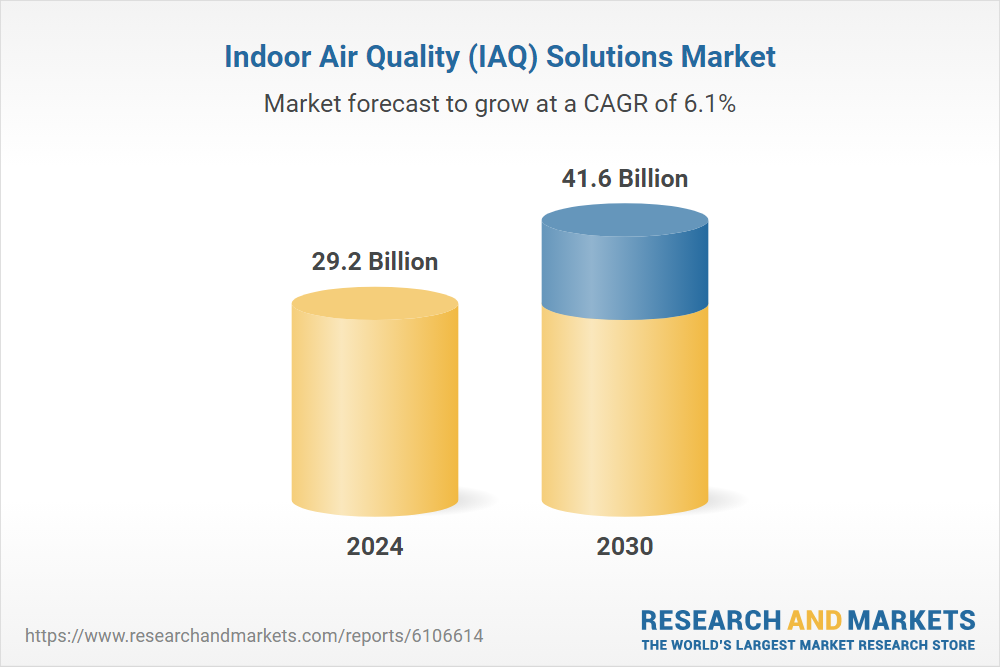
Indoor air quality (IAQ) represents a high-margin and expanding segment driven by increased consumer awareness of pollution and the importance of clean air. On top of that, the research supports that this market is set to grow to nearly $41.6 billion by 2030!
Services include installing air purifiers, UV light systems, and humidifiers; dehumidifiers; and energy recovery ventilators (ERVs), and performing duct cleaning.
We recommend these service additions because they require minimal extra training for most HVAC technicians and offer a value-driven upsell opportunity.
Smart Thermostat And Home Automation Integration
These days, everything has an app, and consumers expect HVAC companies to install and configure smart devices like Ecobee and Nest thermostats. By offering these installations, setup, configuration, and advanced smart device management, your company becomes differentiated from those that simply won't change with the times. The best part is that this service also creates opportunities for ongoing agreements tied to smart system monitoring.
Service Agreement And Maintenance Plan Expansion
This recommendation may be an obvious recommendation, but it’s important to work maintenance agreement expansion into your growth plans. If you currently offer only one maintenance plan tier, consider adding a premium tier.
A higher-tier plan can include priority scheduling, extended warranties, and comprehensive annual system tune-ups.
Revisit Company Values And Employee Alignment
As things become more hands-off for you as an operator or owner due to growth, it’ll be critical that company values and structured employee alignment match the output you’re looking for.
Defining And Communicating Core Values
If you don’t have company values that align with your mission and purpose, it’s time to put them in place before things expand too much. Values help keep people on track and aligned to why they’re working for you.
Practical values for HVAC operations include punctuality, quality craftsmanship, transparent customer communication, and continuous learning.
Harvard Business Review offers a few tips, which include:
- Keep Them Brief
- Make Them Easy to Remember.
- Use Distinctive Language.
- Make It Visible.
Career Pathing For Technicians
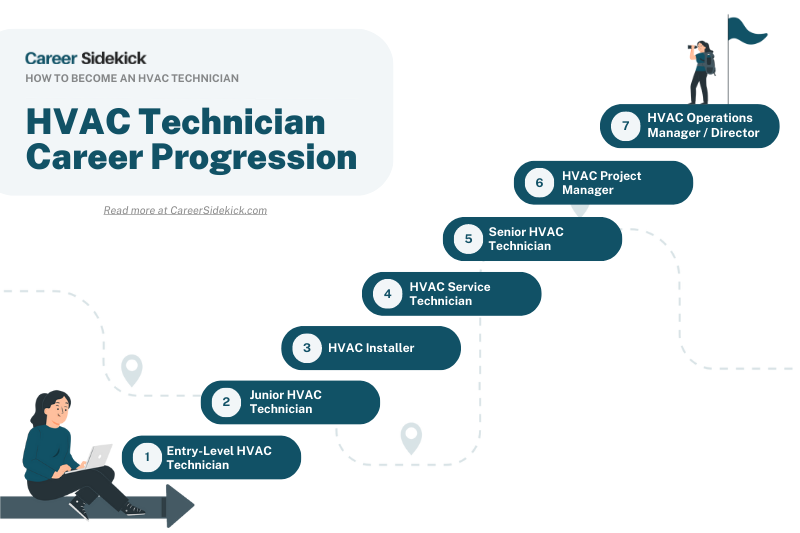
Define a clear progression path from apprentice to journeyman, lead technician, and finally service manager. Technicians stay with companies where they see a structured future, which is why you need to budget for investing in your technicians as a part of your growth plans.
This could include certifications and education, such as NATE certifications, EPA 608 compliance, and manufacturer-specific training, to demonstrate support for their professional development.
Deepen Supplier Relationships For Better Material Margins
Improving relationships with suppliers is an underrated tactic; it brings down material costs and can directly increase your profit margins. This additional cash flow can help fuel future business growth.
Negotiating Volume Commitments And Rebate Programs
Many distributors offer annual rebate programs, typically ranging from 1% to 5% of total spend, but they rarely communicate them proactively. You must ask explicitly to participate. Volume commitment agreements, where you agree to purchase a set dollar amount annually, often unlock special pricing tiers.
Additionally, investigate co-op marketing dollars, as some manufacturers offer financial marketing support tied to your purchase volume.
Early Payment Discounts
Many suppliers offer a 1% to 2% discount for paying within 10 days. On significant material spend, this discount compounds meaningfully over a year.
If you’re able to get paid faster using software like ServiceBox, you can develop faster payment cycles with your customers and make these early payment discounts a no-brainer for your accounting team.
Frequently Asked Questions
How profitable is an HVAC business?
HVAC businesses can be quite profitable when managed efficiently. Profit margins for this business type often range from 8% to 15%, depending on factors such as market competition, business model, and operational costs.
What is the average revenue per HVAC technician?
On average, a well-run HVAC business typically targets a revenue per technician (RPT) between $250,000 and $450,000 annually. This figure can vary depending on the mix of services offered, the geographical market, and the efficiency of scheduling and dispatch.
How do HVAC companies get more customers?
If you’re looking to get more customers, some of the direct ways to do this include:
- Referrals;
- Online presence;
- Digital and local marketing;
- Partnerships and networking;
- Seasonal promotions and maintenance programs;
- Content marketing;
- Email marketing;
- Social media marketing;
- Community Involvement;
- Excellent Customer Service.
Strategic Steps To Scale Your Operations
Expanding your HVAC company beyond its initial operational plateau requires a deliberate, data-driven approach. By analyzing technician revenue, expanding your service offerings into commercial and IAQ sectors, and securing your material margins through tighter supplier relationships, you create a sustainable model for expansion.
Most importantly, integrating software like ServiceBox will set your company up for success, empower your employees, and give you the tools you need to grow with confidence.
Book a ServiceBox demo and see how much easier operations can be.
![How to Schedule Visits for HVAC Systems [Seasonal Maintenance Guide]](https://cdn.prod.website-files.com/67ae6e3fa71598c124af0f8b/6ab5b39ad7006a6e8dd23304_Dispatch%20team.jpg)