

Updated for 2027 | For Canadian commercial HVAC contractors and service teams
You find a worn belt on a rooftop unit. The building manager asks, “Do we really need to fix that now?” You know the right answer, but putting it into simple words can be hard. You don't want to sound pushy or lose a good job.
A strong HVAC sales pitch helps the customer understand the issue, see their choices and decide what to do next. The same approach works for a repair, a planned replacement or a preventive maintenance agreement. You can sell good work without using pressure.
Quick answer: The best HVAC sales script has five parts: ask about the problem, show what you found, explain the risk, offer clear options and agree on the next step. Start with the customer's building or comfort needs, not a list of parts. Below are nine HVAC sales pitch examples plus two free templates your team can use.
For a company managing several technicians and customer sites, commercial HVAC field service software can help connect the quote to work orders, service history and follow-up after the customer approves the work.
What makes a good HVAC sales pitch? (HVAC sales tips)
A good pitch feels like a helpful talk. For a commercial client, it may be about keeping a store open, avoiding a hot office or planning a repair before a busy month. For a homeowner, it may be about comfort and cost.
Use this simple order on every service call:
- Ask: “What problem is this causing your team?”
- Show: Point to the photo, reading or service record that shows what you found.
- Explain: Say what could happen if the issue is left alone. Be fair about what is known and what is not.
- Offer: Give the customer a clear choice between needed work and optional work.
- Ask for a next step: “Would you like a written quote for the two options?”
Don't promise that a repair will stop every breakdown. Don't claim a set amount of energy savings unless you've checked the site and have proof. And don't call an optional service an emergency to make a sale.
9 HVAC sales pitch examples and scripts for real service calls
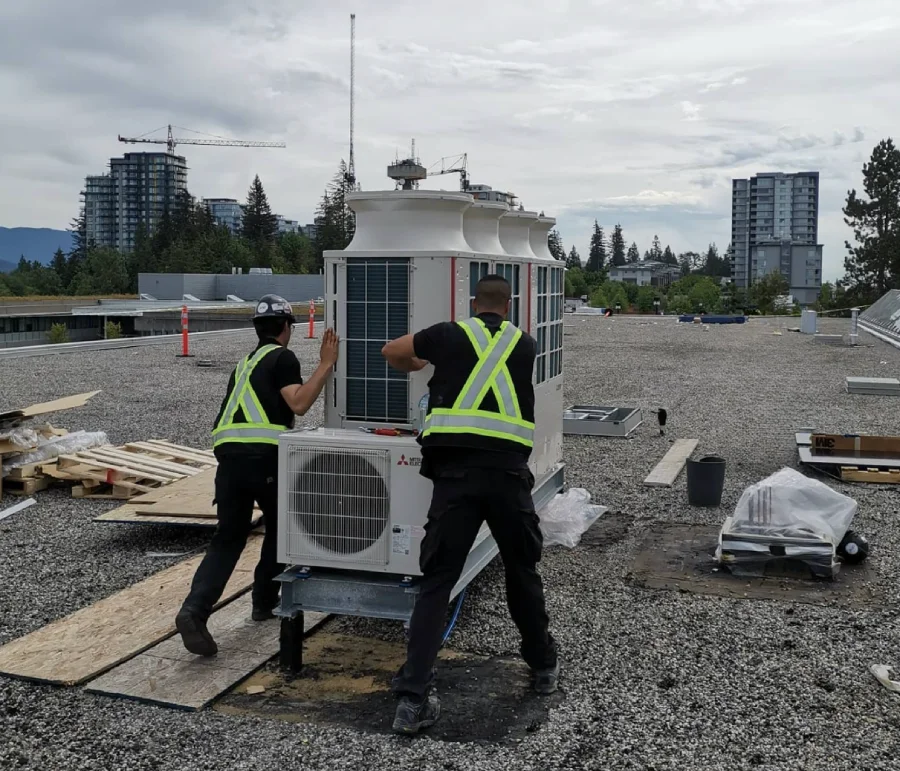
These scripts are starting points, not lines to read word for word. Change the details to match the equipment, service history and customer. If you do not have enough facts yet, say what needs to be checked first.
1. Commercial HVAC repair pitch: Explain the problem without fear
When to use it: A technician finds a fault on a rooftop unit (RTU), air handler or boiler during a service call.
Try this script:
“I found a worn belt on this rooftop unit. It is still running, but the belt needs work. I took a photo so you can see it. We can replace it now, or I can send you a quote for approval. I also want to check the rest of the drive before we agree on the full scope. Which option works better for your building?”
The script ties the recommendation to a real finding. It makes clear what is urgent and what still needs a check. It also respects the client's approval process.
What to record after the conversation
- Equipment name, unit number and job-site location.
- Photos or readings that support the finding.
- Repair recommendation, any safety issue and what must be checked.
- Name of the person who can approve the quote.
2. Preventive maintenance sales pitch: Turn a repair into a plan
When to use it: A building has repeat calls, missed filter changes or no set HVAC maintenance schedule.
Try this script:
“We've been called to this site a few times this year. A planned service schedule may help us catch wear earlier and keep a clear record of each visit. We can list your units, choose what to check and plan visits around your busy hours. Would you like me to put together a preventive maintenance plan for this building?”
For commercial HVAC work, a maintenance plan is not just a discount club. It should say which units are covered, what tasks are included, how often visits happen and what work costs extra. No plan can promise zero breakdowns.
Good next step: Ask for the equipment list and site access rules, then send a written scope with visit frequency and a clear price.
3. HVAC system replacement pitch: Help the owner compare choices
When to use it: An older commercial unit needs an expensive repair, and replacement may be worth a look.
Try this script:
“We can repair the part that failed. Before you approve it, I want to show you one more option. This unit has had several calls, so we can compare the cost of this repair with a new unit. I'll show you what each choice includes, how long the work may take and what needs more review. You can then choose what is right for the site and your budget.”
Don't tell every customer to replace an old system. Look at service history, parts access, expected remaining use, site needs and installation cost, since HVAC systems have a major effect on energy bills and indoor comfort. When you compare options, tie technical details to everyday results so the customer sees the value—for example, how better energy efficiency can lower operating costs and how variable-speed technology can keep temperatures more consistent. Some units are still worth repairing.
When you compare replacement options, look at operating costs as well as the upfront quote. Natural Resources Canada’s guide to commercial heating and cooling equipment explains why lifetime energy use matters. Do not promise set energy savings without a site-specific calculation.
4. Good-better-best HVAC proposal: Give three honest options
When to use it: The client needs a choice but may feel lost when reading a technical quote.
When to use it: A commercial HVAC customer needs to choose between repair, extra work, or a longer-term plan but may feel lost when reading a technical quote.
Instead of giving the customer one price, show them three clear options. Each option should explain what work is included, what it costs, and why it may be a good fit for their building. This makes it easier for the customer to compare choices without feeling pushed into the most expensive one.
- Good: Fix the current fault. Repair the problem found during the service call. Explain what the repair solves, how much it costs, and what is not included.
- Better: Repair plus related work. Fix the main problem and offer extra work that may help with other wear found during the inspection. Explain why the added work is worth considering and make it clear that it is optional.
- Best: Make a longer-term plan. Offer a replacement or planned maintenance when it makes sense for the equipment. Explain the full scope, service schedule, cost, and what the customer can expect.
Try this script:
“I've made three options so you can compare them. Option one fixes the fault we found. Option two adds work that may help with the other wear we saw. Option three looks at a longer-term plan. None is a must-buy package. I'll show you the price, what's included and what isn't. Which one would you like me to explain first?”
For any quote, clear communication about the scope, exclusions, costs, warranty, tax and approval steps helps build trust. In Canada, show the right GST/HST/PST treatment for the job and province instead of using a generic tax line.
5. HVAC upsell script: Suggest an add-on only when it helps
When to use it: You find a related need, such as a dirty filter, failed drain protection or another item supported by your inspection.
Try this script:
“While checking the unit, I also found [issue]. It is separate from the repair you called us for. I can add it as an optional line on the quote, with a photo and the price. That way you can decide whether to do both jobs in one visit or plan it for later.”
A helpful HVAC upsell should solve a real customer need and address customers problems based on what your inspection showed on the hvac equipment. It should not hide the cost, push unneeded parts or turn a routine check into a scare story. If there's a safety concern, follow the right safety steps and your company's escalation process first.
6. Property manager script: Sell multi-site HVAC service with clear records
When to use it: A property manager cares for several stores, offices or commercial buildings.
Try this script:
“How are you keeping track of service on all your buildings now? We can build a list of the units at each site and send a report after each visit. That gives you one place to check what was done and which repairs still need a quote. Would a sample service plan for two of your sites be useful?”
Ask who owns the budget, who gives access, where reports need to go and how purchase orders are handled. A good commercial sales process respects the customer's site and approval rules.
7. HVAC price objection script: Answer “Your quote is too high”
When to use it: A customer wants a lower price or is comparing quotes.
Try this script:
“I hear you. Before we change anything, can we check that we're comparing the same work? I'll show you the parts, labour, site access, what the quote covers, and the warranty. If we can offer a smaller scope that still does the job safely, I'll lay that out too. I don't want you spending money on work you don't need, while keeping any required work in the quote.”
Do not cut required safety work just to win a job. Ask what matters most: upfront cost, downtime, warranty, lead time or repeat call-outs. Transparent communication about costs and warranties builds customer trust, and those answers can help you offer the right plan.
8. Follow-up script: Bring an open HVAC quote back to life
When to use it: A quote was sent, but the building manager has not approved it.
Phone script:
“Hi [name], it's [your name] from [company]. I'm checking in on the quote for [site or unit]. Do you have any questions about the work, cost or timing? If another person needs to sign off, I can send a short summary to help with that.”
Email script:
Subject: Next step for the HVAC quote at [site]
Hi [name],
I'm following up on the quote for [unit or problem] at [site]. It covers [short scope] and the next step is [approval or site visit]. Would it help if I sent a simpler option or a summary for your manager?
Thanks, [name], [company], [phone]
A follow-up should help the client make a decision. Avoid sending the same “just checking in” email over and over. Record when to follow up and why. If the customer is happy, that follow-up is also a good time to ask for referrals that can bring in more customers.
9. Residential HVAC sales script: Offer a clear comfort choice
When to use it: Your company also does home heating and cooling work.
Try this script:
“You called because the house isn't cooling well. Here is what we found. We can repair the part that failed, and I can also price a larger fix if you want to compare. I'll explain the cost, what each choice will change—for example, whether a high-efficiency system could lower energy bills or variable-speed technology could keep temperatures steadier—and what we still need to test. You don't need to decide before you've seen the quote.”
Residential homeowners often focus on comfort, noise and bills, including rising energy bills. Commercial owners may focus more on tenant comfort, keeping work moving, reports and who approves the job. Use the same honest sales process with different examples, whether the work involves an air conditioner, a heat pump or a furnace. If financing is offered, state the terms and full cost. Do not assume financing is available for each building or job.
How to sell commercial HVAC maintenance agreements
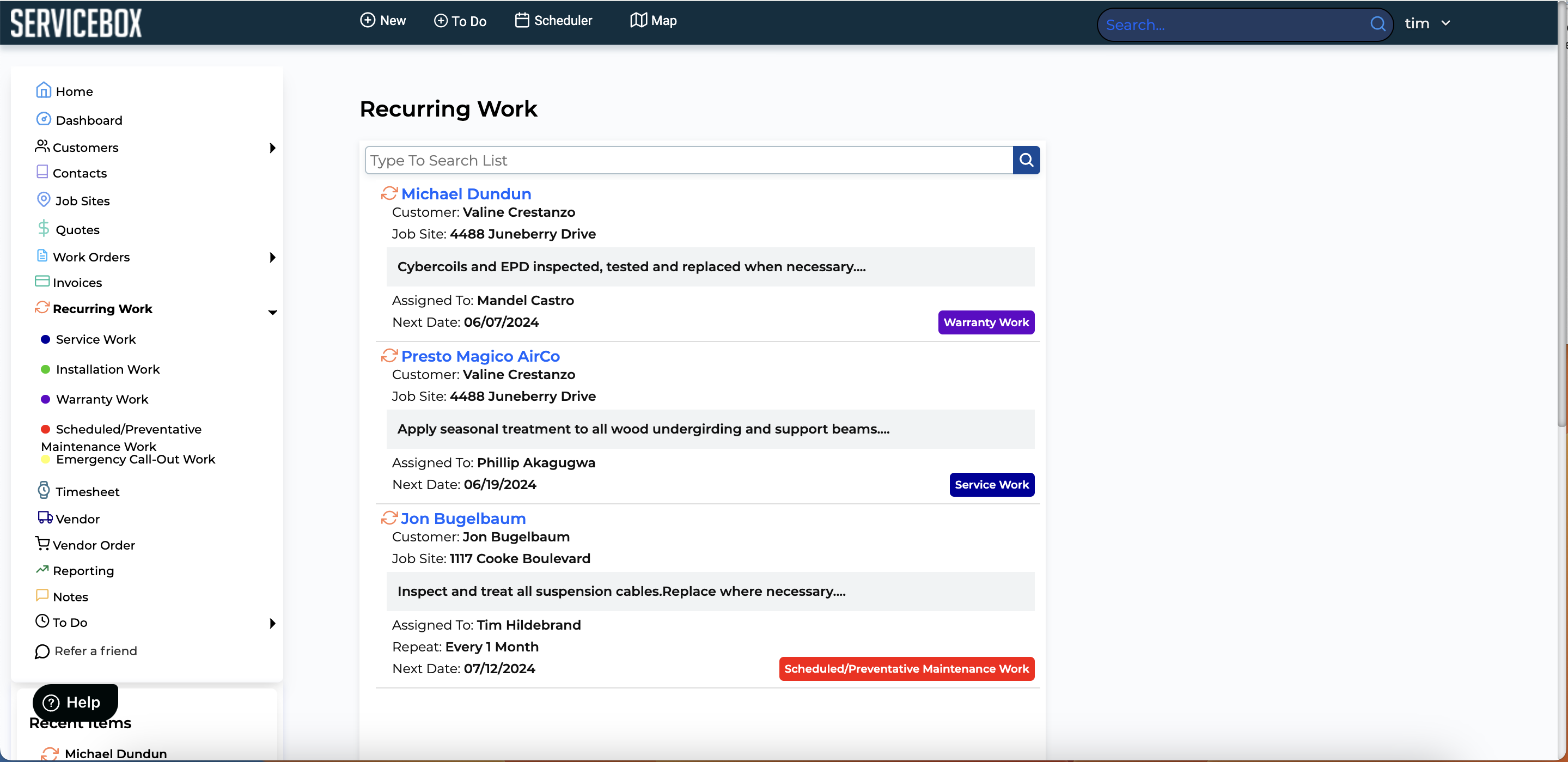
A commercial service agreement gives the customer a plan for repeat work. It gives your team a clear scope and a schedule to follow. Start with a small pilot if a large property group is not ready to sign a full agreement.
For seasonal plans, see our seasonal HVAC maintenance scheduling guide to plan visits before busy heating and cooling periods.
Ask these five questions before you price the plan
- Which buildings and HVAC units should the plan cover?
- What is the service history, and which issues keep coming back?
- When can your techs get safe access to each site?
- What checks, reports, filters and other tasks need to be included?
- Who approves repairs, purchase orders and renewals?
Put the service promise in writing
A clear plan should show the equipment list, visit count, checklist, price, what is excluded, how extra repairs are approved, and the term and renewal rules. Only offer response times your team can meet. If a unit needs major repairs first, quote that work outside the routine plan.
For a building-wide plan, explain how regular checks and clear service records support energy management. Natural Resources Canada’s guidance for existing buildings covers benchmarking, recommissioning and better operation of building systems.
Use a simple close
“I can make a one-page plan for these three rooftop units. It will show each visit, what the tech will check and how you get the report. Would you like to review that before we talk about a longer agreement?”
For more detail on keeping scheduled work on track, see how to use HVAC software for recurring work.
A simple HVAC sales process for a team of 5 to 50 people
A consistent process makes training easier. Our HVAC service management guide for growing teams covers the office-to-field hand-offs after a quote.
Your best technician should not be the only person who knows how to talk about a quote. Give the office, field staff and manager the same steps. A short script helps new and experienced staff ask the same key questions and record clear next steps.
Before the visit: Know the customer and the equipment
Check the job notes, unit history, customer information, and reason for the visit before the sales call, since success improves when you prepare with the customer’s details and system history. Bring the right forms and find out who can approve extra work. Respond to new leads promptly. If a quote needs approval, agree on a time for the next call. For residential appointments, a call ahead script helps build trust before arriving, and some teams also introduce themselves by email before the appointment. For a commercial customer, note the site rules and any purchase order needs.
On site: Ask, inspect and show proof
Ask what the customer wants to fix and what is at risk if the unit stops, then ask more questions before recommending work. Do the work safely, checking relevant components such as the indoor unit and outdoor unit when appropriate. Record clear findings, photos and readings. Then explain what you know in plain words to communicate effectively on site.
After the visit: Quote, agree and follow up
Send the right scope with options when useful. Set a clear next step and owner for the follow-up so approved or pending quotes do not sit too long, leaving money on the table. Once work is approved, make sure dispatch and the tech get the same details. Close the loop with a service report and accurate invoice. After a completed job, a satisfied existing customer can also be asked for referrals.
For field teams, ServiceBox HVAC software keeps customers, job sites, equipment history, quotes, work orders and recurring service connected. Its quoting and invoicing tools can help a team move an approved scope into a work order and then through billing. Exact setup depends on the company's process.
Free HVAC sales templates for your next service call
Don't start from a blank page. These two printable, editable resources turn the scripts above into tools your team can carry on a phone or use in the office.
Template 1: HVAC technician sales script and objection cheat sheet
Use this one-page guide when you have to explain a repair, ask about a maintenance plan or answer a price concern. It includes an easy five-step pitch, sample words, a short follow-up checklist, and a brief call-ahead script for residential visits, making it a practical set of hvac sales tips.
Download:HVAC technician sales script cheat sheet - PDF (PDF or Word asset upload pending) | Editable Word version (PDF or Word asset upload pending)
Copy this sample: “Here is what I found. Here is what it means for your building. We can fix the fault now or look at a planned option. Which option would you like me to quote?” Record the equipment, finding, photos, approval contact and next step.
Template 2: Commercial HVAC maintenance and proposal worksheet
Use this worksheet to list the building, equipment, findings, good-better-best options, planned visits and approval details. You can also personalize the template with customer information to create a clearer proposal record. It's a simple starting point for an honest quote or maintenance plan, not a substitute for your signed contract.
Download:Commercial HVAC proposal worksheet - PDF (PDF or Word asset upload pending) | Editable Word version (PDF or Word asset upload pending)
For more ways to grow service revenue while keeping work on track, see these commercial HVAC growth tactics for Canadian contractors.
Copy this proposal checklist: Customer, building, equipment, findings, scope, exclusions, repair or replacement choices, visit plan, cost and taxes, site access, approval contact and next date.
Track the HVAC sales numbers that help you improve
You don't need a large sales team; start with a few numbers and review them each month—the old adage that what gets measured gets managed applies here, and consistent tracking supports long-term success:
- Quotes sent: How many repair, replacement and service-plan quotes went out?
- Quote win rate: Approved quotes divided by quotes with a known decision.
- Time to follow up: How long does an open quote sit without a clear next step?
- Maintenance plan wins: How many new agreements were signed?
- Renewals: How many customers renewed a plan when it ended?
- Lost quote reasons: Was it price, timing, missing approval or something else?
Use the same rules for counting each month. Keep repair quotes and maintenance plans separate when you can, since they do not follow the same sales cycle.
HVAC sales pitch FAQs
What should an HVAC sales script include?
Start with the customer's problem. Show what you found, say why it matters, explain a fair choice and ask for a next step, but tailor the script to the potential customer instead of reading it the same way every time. Keep the words short and use real photos or job notes where you can.
How can HVAC technicians upsell without being pushy?
Only suggest extra work that solves a real problem your findings support before selling it. Explain why it may help, show the price and call it optional if it is optional. Give the customer room to decide. Safety work should be handled through the right safety process, not a sales tactic.
What is the best sales pitch for commercial HVAC maintenance?
Focus on a clear equipment list, planned visits, written service reports and who will approve future work. A building manager needs to know what happens after the sale, not just the yearly price.
How do you respond when someone says an HVAC quote is too expensive?
Check whether both quotes include the same labour, equipment, warranty, site access, service scope, and financing options. Ask which concern matters most; financing is one example of a workable path when the full upfront cost is hard to manage. Offer a smaller safe scope when it truly fits, but don't hide key work to make the price look lower.
What is the $5,000 rule in HVAC?
You may see a “$5,000 rule” online that tries to compare unit age with repair cost. It is only a rough shortcut, not a rule that fits every system. A commercial HVAC repair or replacement decision needs real site facts, equipment condition, operating needs and written costs.
Should HVAC contractors use the same sales script for homes and commercial buildings?
Use the same steps, but change the questions so technicians can serve homeowners and commercial clients in ways that match their needs. Ask homeowners about comfort and cost. Ask commercial clients about site access, downtime, equipment reports, maintenance budgets and approval rules.
Make the next HVAC sales conversation easier
The best pitch is not the longest one. It is the one that helps a customer see the problem, trust your work and choose the next step. Use these scripts to train your team, then keep the quote and job details together so nothing gets lost after the visit.
If your quotes, work orders and recurring maintenance plans still live in different places, book a ServiceBox demo to see how one connected field service workflow can help your HVAC company follow through after the sale.