
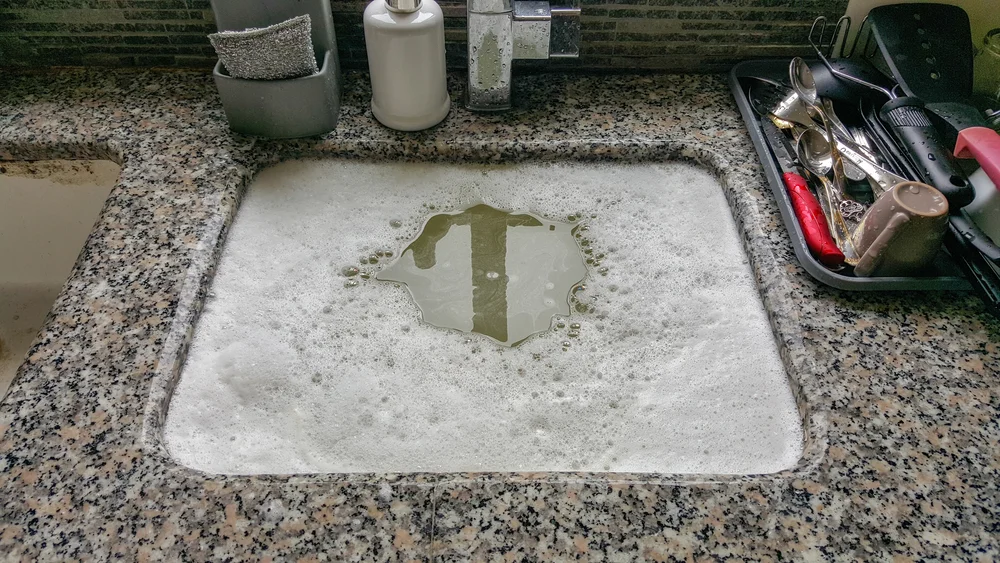
Emergency plumbing calls can disrupt a service day quickly. The best response is a defined operating process: determine priority, review technician capacity, communicate realistic expectations, document the work, and avoid making service promises the company cannot consistently meet.
1. Define What Counts as an Emergency
Companies should create their own escalation criteria based on safety, active property damage, loss of essential service, contractual obligations, and customer impact. Staff should know who can make the priority decision and what information needs to be collected.
Do not rely on a generic article to define legal or safety thresholds for a specific situation.
2. Protect Capacity for Unplanned Work
A schedule filled to theoretical maximum capacity leaves little room for jobs that run long, traffic, parts delays, or urgent calls. Contractors should decide how much buffer is appropriate for their service mix and customer commitments.
3. Use the Schedule to Evaluate Options
ServiceBox provides drag-and-drop scheduling, technician capacity, job information, teams, and available location context. The dispatcher can use that information when deciding how to fit an emergency call into the day.
The software should not be described as automatically routing the nearest plumber or guaranteeing an arrival time.
Explore scheduling and dispatch.
4. Communicate What the Company Can Actually Commit To
Customers dealing with urgent problems need clear information. Explain what the company knows, what it does not yet know, and the service window or next update that can realistically be provided.
Avoid promising same-day service, exact arrival times, or after-hours availability unless those are actual company commitments.
5. Define the After-Hours Process
Some plumbing companies provide 24-hour emergency coverage; others do not. If the company offers after-hours service, define how calls are received, who is on call, how priority is assessed, and what pricing or customer terms apply.
An answering service or phone system can be part of that process, but it is separate from ServiceBox's core field-service management workflow.
6. Send the Technician a Complete Work Order
Once the job is assigned, the technician should receive the customer, job site, reported issue, access information, service history, and other relevant notes. Mobile work orders reduce the need to reconstruct the emergency call over the phone.
7. Document the Completed Emergency Work
Labour, materials, notes, photos, forms, and completion details should remain connected to the work order. The office can review that record before invoicing and it becomes useful history for the next visit.
How ServiceBox Supports Emergency Dispatch
ServiceBox helps office teams see capacity, assign work, send current job information to technicians, capture field records, and move completed work toward invoicing. The dispatcher and company remain responsible for prioritization, service commitments, and customer communication.

![How to Schedule Visits for HVAC Systems [Seasonal Maintenance Guide]](https://cdn.prod.website-files.com/67ae6e3fa71598c124af0f8b/6ab5b39ad7006a6e8dd23304_Dispatch%20team.jpg)