
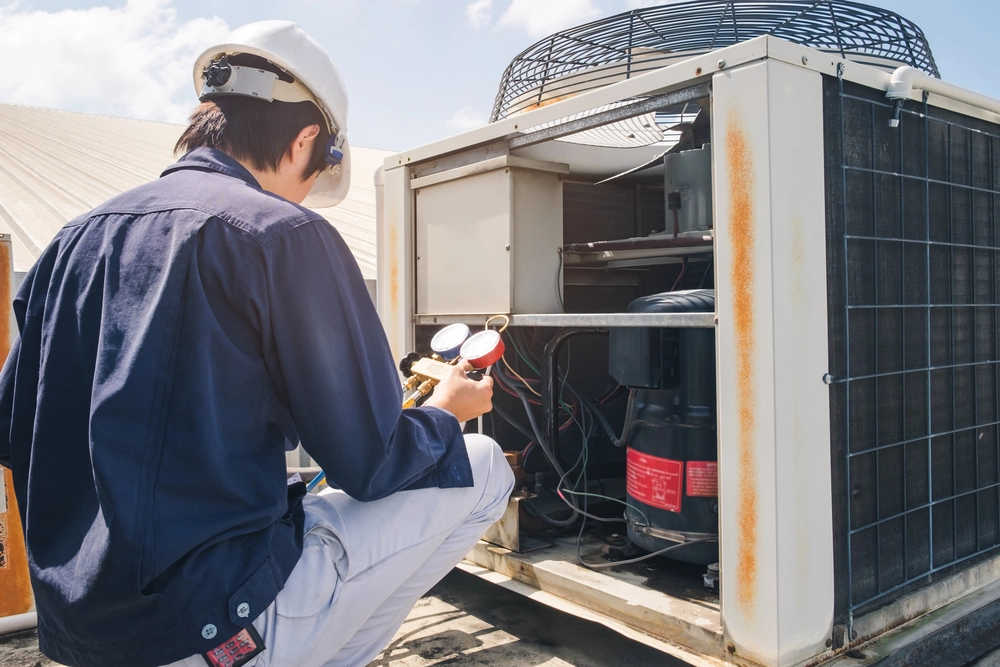
HVAC specialists in California are in high demand thanks to the size of the state and the surplus of job availability for those who are licensed. Having an HVAC license in California is one of the best ways to increase your job opportunities and your salary. There are a few of the basic things you will need to know before you can get your HVAC license.For example, having an HVAC license is a requirement for working professionals in California. The HVAC industry is regulated by the Contractors State License Board or the CSLB, which means that you will need to apply for your license through this organization. Without a license, you will not be qualified to seek employment for HVAC contracting jobs.
The general cost of an HVAC license in California can include a license fee of up to $180. Apprentice technicians who are learning the HVAC specialty on the job by working under licensed contractors will have to pay for their own tools and supplies in addition to the $180 license fee.If you are seeking a license through a vocational or technical school, then the cost of tuition may vary greatly. Some programs can cost as little as $500, while other programs can cost over $20,000. In addition to the potential license fee or application, if you use a vocational or technical school to obtain your certificate, you can be looking at a steep investment.
To obtain an HVAC license in California, you will have to meet several requirements set by the CSLB. For example, you must have had four years of verified experience through education or by working under a licensed contractor before you can sit for the necessary HVAC exams or apply for certificates.
For apprentice technicians, this will mean that the contractor you are working with must be able to verify your work and education on the job. Some licensed contractors who can verify your work experience can include a supervisor, contractor, building inspector, or architect. Verification for on-the-job education will need to be done by CSLB rules.
If you are attending a vocational or technical school for HVAC certification, then you will have to earn the right amount of educational credit through an accredited institution. Your coursework will count toward the four-year experience requirements set by the CSLB. However, you will still need to take the appropriate exams and apply for certification.
There are significant salary benefits for getting a California HVAC license. For example, the salary range for HVAC specialists in California is between $40,000 to $70,000 a year. Apprentice technicians may be able to earn between $20,000 and $30,000 a year while they are gaining work experience. The more advanced your HVAC license, the higher your starting salary will be. Certain licenses can give you a head start on your earning power.
In California, there are many licenses available for HVAC specialists. Both EPA licenses and NATE certifications can be pursued through educational programs or as an apprentice technician through work experience. You may want one or both, depending on your interest in working certain jobs.
EPA licenses are required by California's Section 608 rule about the Clean Air Act, which mandates that specialists who repair, service, or maintain certain equipment must have certification from the Environmental Protection Agency. EPA licenses are a requirement for all HVAC technicians who plan to work in California, so you will likely need one of four types of EPA certifications. Type I certification applies to small appliance serving, Type II certification involves disposing of high-pressure appliances, Type III certification involves disposing of low-pressure appliances, and Type IV certification is a universal license that will allow for the servicing of all equipment types.
NATE licenses are earned from the North American Technical Excellence organization, which will allow you to find higher-paying jobs or increase the salary you earn from your current employer. This certification is obtained by passing specialized tests about HVAC equipment and other industry knowledge. By having a NATE license, you can increase your earning potential and your job opportunities.
Having an HVAC license also allows you to be part of the CSLB lookup. This is important for your ability to get jobs later, as people searching for contractors or HVAC specialists will often use the CSLB as a tool to find high-quality contractors. In addition to increasing your job prospects and your baseline salary, having an HVAC license and CSLB membership can also help you grow your career. Some benefits of having an HVAC license include:
If you want to start your own business one day, you will need to be a licensed HVAC specialist. With a license, you will be a contractor working under your own power, which will allow you to select clients based on your degree of specialization and preference.
Having a CSLB membership also allows you to have more work opportunities. Whether you are a technician apprentice or you're going through trade school to obtain a license, you are more likely to get good work opportunities when you have a verified license as an HVAC specialist. The Contractors State License Board for California is in charge of regulating HVAC licenses and certifications. By having these licenses, you can become a certified HVAC specialist and increase your earning potential in this high-demand industry. To learn more about how to get your name added to the CSLB Lookup, please contact ServiceBox today.
Our customers love the affordability and flexibility of our software. ServiceBox is priced to ensure you see a return on your investment. We have pricing options that align with your needs; whether you’re a one-person service business or manage a large team in the field.

Field Service Management — Field work scheduling software for contractors and small businesses. Try our full demo! The best field work scheduling software for HVAC, Plumbing and Electrical Contractors.


.png)